


Brain Injury Lawyer FAQs
How Do Brain Injuries Occur?
Brain injuries have many potential causes. If you or someone you love has been diagnosed with a brain injury following an accident, Burg Simpson can review your case for FREE and discuss the legal options that may be available.
Potential causes of a brain injury include:
- Slip and Fall Accidents
- Trip and Fall Accidents
- Car Accidents
- Truck Accidents
- Motorcycle Accidents
- Pedestrian Accidents
- Bicycle Accidents
- Falls from Heights
- Sports and Recreation Injuries
- Physical Assaults
Brain injuries are often catastrophic in nature. Victims may require extensive medical intervention, ongoing rehabilitation, and lifetime care. Their ability to earn a living may be severely diminished, or they may never be able to work again.
An Ohio brain injury lawyer can investigate the incident and identify potential defendants. Burg Simpson has extensive experience holding negligent parties accountable for causing TBIs and other catastrophic injuries.
What Are the Different Types of Brain Injury?
There are two principal forms of brain injury. A traumatic brain injury (TBI) occurs when the brain is damaged by an external force, such as a blow to the head. The second category is acquired brain injury, which occurs due to internal factors such as oxygen deprivation, infection, and other causes.
Burg Simpson represents the victims of acquired and traumatic brain injuries. We often serve clients who sustain head injuries in motor vehicle wrecks, falls, and other incidents caused by the negligence of others.
We also provide experienced representation in claims where a victim is deprived of oxygen and suffers brain damage. Many people do not realize that brain injuries may occur due to medical negligence, such as errors in the delivery room and failure to diagnose a stroke.
What Is the Statute of Limitations for Brain Injury Cases in Ohio?
Ohio has a 2-year statute of limitations for most personal injury claims, as established by Section 2305.10 of the Ohio Revised Code. This includes brain injury cases arising from auto accidents; slips, trips, and falls; etc.
The time limit for medical malpractice claims is just 1 year from the date of the injury (see Ohio Revised Code § 2305.113). Additional time is granted if the injury could not have been discovered, but claims cannot be brought after more than 4 years have passed.
Many people do not know that brain injuries can occur due to medical negligence. We often see this with birth injuries such as cerebral palsy, which may be caused by errors during labor and delivery. If a minor child is injured due to medical malpractice, the statute of limitations is tolled (paused) until the victim turns 18. At this point, they can bring a claim within one year of their 18th birthday.
Attorneys at Burg Simpson are dedicated to representing the victims of birth injury and other forms of medical malpractice. We work quickly to investigate all claims.
How Do I Find a Brain Injury Lawyer?
Most people will start with an online search for “Cincinnati brain injury lawyer” or “Ohio brain injury attorney”. This will turn up hundreds of results, which may prove overwhelming if you have never needed the services of a personal injury lawyer before.
Fortunately, there are several things you can look for to narrow down the list and find a capable brain injury attorney in Cincinnati. These include:
- Experience: You need a lawyer well-versed in brain injury claims. Burg Simpson was founded in 1976 and has 50 years of experience representing the victims of these catastrophic injuries.
- Results: Brain injuries can result in hundreds of thousands (or millions) of dollars in damages. The firm you choose should have a strong track record of success. Burg Simpson has recovered more than $2 billion for clients in personal injury matters.
- Trial readiness: Insurance companies often play hardball when they are facing large payouts. They may refuse to compensate you fairly, in which case going to trial may be your only option for getting a favorable result. At Burg Simpson, we prepare every case as though it will go to trial and have extensive experience presenting cases in courts throughout Hamilton County and all of Ohio.
- Resources: Successful brain injury claims require in-depth investigation and access to leading experts. Burg Simpson combines the local clout of a caring local law office with the national strength of an elite personal injury firm. These qualities are critical for aiding you in your time of need and preparing the strongest case possible.
- Awards and accolades: There are numerous organizations that recognize excellence in the legal profession. Both Burg Simpson and individual attorneys at the firm have received numerous awards in the field of personal injury, including recognition in U.S. News & World Report’s Best Law Firms in Cincinnati.
The best way to find a Cincinnati brain injury lawyer is to meet with the people at the firm. Call Burg Simpson at 513-852-5600 today to schedule a FREE and confidential case evaluation.
Can I File a Brain Injury Claim If I Was Partly At Fault?
Yes, you may be able to make a brain injury claim even if you were partly at fault. Ohio Revised Code § 2315.33 allows personal injury claims to proceed as long as the plaintiff’s share of fault does not exceed that of the defendant.
Injury to the brain can lead to confusion and memory loss. Victims may not be able to recall the events leading up to the injury, which can leave questions as to who was at fault. The insurance company may dispute liability and try to pay less than you deserve.
Ohio brain injury attorneys collect all available evidence to ensure fault for the incident is properly allocated. If the evidence shows that the defendant is responsible for your injury, our firm will pursue maximum compensation — even if it means going to trial.
Do Brain Injury Claims Go to Trial in Ohio?
In Ohio, most personal injury claims do not end up going to trial. The majority of cases are settled before they go to trial, while some are settled after the trial starts. Brain injury claims generally follow the same pattern, although there are several factors that make the potential for going to trial more likely.
First and foremost, insurance companies scrutinize serious injury claims. They will likely try to offer much less than you deserve, considering the seriousness of your brain injury. If negotiations do not succeed, it may be necessary to take the case to trial.
As noted above, liability for a brain injury may also be disputed. This is often the case when multiple parties are involved or the plaintiff and defendant both share some of the blame. If the parties cannot come to an agreement, a trial may be the only way to assign liability.
Finally, the complexity of the evidence in a brain injury claim can increase the likelihood of going to trial. Brain injuries are not “visible” the way other types of injury are. Insurers often use this to try to argue the injury is not serious and offer less in compensation. Attorneys at Burg Simpson can collect comprehensive medical records and consult expert witnesses to build the strongest case possible should the matter proceed to trial.
Severe brain injuries are one of the worst personal injuries anyone can endure, no matter the cause. The term “brain injury” can refer to a wide range of conditions, from a mild concussion to an open head wound exposing the skull or brain tissue.
Depending on the specific injury, symptoms may include headaches, confusion, nausea and dizziness, memory loss, and even personality changes. Traumatic brain injuries (TBIs) frequently require long-term treatment, sometimes in a dedicated facility, and that treatment can be incredibly costly. Working with an experienced brain injury lawyer in Cincinnati, OH, can help you obtain the fair compensation you deserve.
Each year, approximately 2.8 million individuals suffer traumatic brain injuries and 64,000 die as a result. Car accidents, falls, assaults, and sports/recreation injuries are some of the most frequent causes of TBIs and TBI deaths.
Not all brain injuries are caused by a direct blow to the head, and not all brain injuries are classified as severe. While some TBIs are the result of serious skull fractures, others come from closed head injuries such as concussions. However, even a mild concussion can cause a person to experience cognitive, functional, and emotional problems such as:
- Difficulty performing basic tasks
- Memory loss
- Mood disorders
- Impairment of motor function
- Other disabilities
If you or a loved one has suffered a brain injury and you believe someone else is responsible, you may be entitled to compensation. Consult with our team of Ohio brain injury lawyers as soon as possible to examine your options and determine the best course of action.
Call 513-852-5600 or fill out our Free Case Evaluation form now to get in touch with our Cincinnati brain injury attorneys.
Causes of Traumatic Brain Injury
There are a number of activities that can lead to brain injuries. According to the National Institutes of Health, falls, being struck by or against an object, and motor vehicle accidents are the three most common causes of TBIs.
Auto Accidents
Motor vehicle crashes are a leading cause of both fatal and non-fatal TBIs. While the number of head injuries from motor vehicles has decreased over time, automotive collisions are still responsible for many TBI deaths among people aged 15–34. Research by the CDC also shows:
- Approximately 70% of brain injuries for this age group are vehicle occupants.
- Roughly 12% of incidents involve motorcycle riders.
- About 8% involve pedestrians.
Vehicle rollovers, ejections, and accidents where an occupant’s head strikes the windshield, interior of the vehicle, an object, or another passenger can cause head injuries that are immediately apparent. Whiplash can cause brain injuries that often go undetected.
Burg Simpson’s brain injury attorneys in Cincinnati, OH, are experienced in helping those with significant head injuries receive fair compensation for their losses.
Falls
Falls have replaced motor vehicle accidents as the most common cause of traumatic brain injuries. They occur most frequently in the elderly and young children. Common yet preventable, causes of fall-related TBIs include:
- Unsafe playground equipment
- Nursing home hazards
- Dangerous stairs and walkways that lead to slips/trips, and falls
You may have a premises liability claim if unsafe conditions on a property caused you to fall and hit your head. Brain injury attorneys at Burg Simpson can help you hold the negligent property owner accountable.
Sports and Recreation
Sports and recreational activities can result in serious brain injuries. In the U.S., millions of sports-related TBIs occur every year. Sports and recreation injuries account for a significant number of brain injuries where the victim’s head is struck by or against an object.
Bicycle crashes are another significant cause of recreation-related TBIs. According to the CDC, 120,000 cyclists visit the emergency room each year for brain trauma and other injuries following a bike crash. Of course, wearing a helmet reduces the risk of a traumatic brain injury.
What Are the Different Types of Traumatic Brain Injury?
There are two general types of head injuries: open head injuries with visible damage to the skull and closed injuries that show no signs of visible damage. An open injury simply means the skull has actually been fractured. This is often the result of a fall or the head’s impact with a hard object or surface.
If you have suffered a head injury due to the negligence of another, please call our brain injury lawyers in Cincinnati, Ohio, at 513-852-5600 for a FREE consultation.
A closed head injury does not involve a fracture, but can be just as serious because of swelling and potential blood clots. Closed head injuries are also risky because the true severity may not be immediately apparent, causing victims to delay seeking treatment.
The most serious brain injuries can cause paralysis, loss of consciousness, and even death. Here are more details about some common types of brain injuries:
- Concussion: An often mild but traumatic brain injury caused by a blow to the head or a violent shaking of the head and body.
- Contusion: A contusion is a bruise, or bleeding on the brain following localized trauma. Similar to concussions, contusions are usually the result of a blow to the head.
- Coup-contrecoup contusion: This is a bruise that occurs at both the site of the initial impact as well as on the opposite side of the brain. It happens when the force against the head is strong enough to slam the brain against the opposite side of the skull, creating a second bruise.
- Diffuse axonal: This injury comes from a violent shake or strong rotation of the head, such as with shaken baby syndrome or whiplash in a motor vehicle accident. More specifically, this injury is the result of the static brain being slow to follow the skull’s movement, tearing structures in the brain.
- Penetration: Just like it sounds, this is an injury from the impact of a bullet, knife, or any other sharp object that enters the brain, along with hair, skin, and bone. Ironically, slower-moving objects may cause more damage because they tend to ricochet within the skull.
- Shaken baby syndrome: This type of brain injury happens when someone violently shakes a baby or young child. The whiplash-like brain injury ruptures the blood vessels between the brain and skull. The resulting buildup of blood compresses brain tissues while increasing inflammation in the brain. This can lead to seizure, lifelong disabilities, coma, and death. Symptoms and warning signs include irritability, irregular eating patterns, exhaustion, uneven breathing, dilated pupils, and vomiting.
- Second impact syndrome: Also known as recurrent traumatic brain injury, this is a second TBI before an earlier one has healed. The second injury is more likely to cause swelling and more serious damage.
The Ohio brain injury lawyers at Burg Simpson have extensive experience advocating for the victims of different kinds of TBIs. Our significant resources allow us to seek out medical evidence and consult expert witnesses who can help prove your right to compensation.

What Are the Signs of a Traumatic Brain Injury?
TBIs vary in cause and severity. Even a mild concussion sustained in a closed head injury can cause someone to suffer cognitive, functional, and emotional problems, making it imperative to contact a Cincinnati brain injury lawyer as soon as possible if you or a loved one has been injured due to someone else’s negligence.
Potential symptoms of a brain injury may be delayed or immediate. These include:
- A thin, water-like liquid (spinal fluid) leaking from the ears and/or nose
- Loss of consciousness (not necessarily in all cases)
- Dilated or irregular pupils
- Changes in vision, including blurred or double vision, sensitivity to bright light, loss of eye movement, and blindness
- Dizziness
- Nausea and/or vomiting
- Respiratory failure
- Slow breathing rate, with increased blood pressure
- Comatose or semi-comatose state
- Slow pulse
- Paralysis, weakness, and lack of coordination
- Lethargy
- Headache
- Confusion or disorientation
- Ringing in the ears and changes in the ability to hear
- Difficulty thinking straight, memory issues, poor judgment, poor attention span, and slowed thought-processing speed
- Inappropriate emotional responses, such as irritability, becoming easily frustrated, and inappropriate crying or laughing
- Difficulty speaking, slurred speech, and difficulty swallowing
- Body numbness or tingling
- Loss of bowel control or bladder control
Milder brain injuries may not generate any of these symptoms and might require more extensive examination and analysis for diagnosis. A variety of imaging technologies, such as a CT scan or an MRI, can help diagnose the specifics of the brain injury.
It is also worth noting that the signs of head trauma may not show up right away. Symptoms can take days or even weeks to develop or worsen. If you have suffered from a brain injury, contact our traumatic brain injury lawyers in Cincinnati before it is too late!
What Are the Long-Term Effects of Traumatic Brain Injury?
Traumatic brain injuries affect everyone differently. However, research suggests that TBI is associated with many negative effects that can last much later into life.
Researchers have found that premature death, declines in cognitive function, progressive dementia, Parkinsonism (any condition that causes a combination of movement abnormalities), and endocrine dysfunction (particularly hypopituitarism) are linked with moderate to severe head injuries. Many medical professionals consider TBI to be a chronic condition that can have a long-term effect on overall health.
Some of the potential longer-term effects of TBI may include:
- Seizures
- Ocular- and visual-motor disturbances
- Cognitive deficits
- Post-concussive symptoms
- Depression
- Aggression
- Suicidal ideation
- Unemployment
- Social isolation
- Psychosis
- Premature death
- Progressive dementia
- Parkinsonism
- Diabetes insipidus
- Endocrine dysfunction
- Hypopituitarism
- Growth hormone insufficiency
It is very important to account for all of the ways a brain injury affects your life when preparing a personal injury claim. This includes challenges you are likely to face in the future. Our TBI lawyers diligently account for past and future damages so you can have the financial resources you need going forward.
Life After Traumatic Brain Injury
Some traumatic brain injury patients will make a full recovery. Others may experience lifelong disabilities ranging from mild limitations to needing full-time care. Even those who go on to live an independent life could still suffer from a diminished earning capacity due to cognitive, emotional, or physical impairments or simply because of missed education and work experience during recovery.
Our brain injury lawyers in Cincinnati can help you recoup lost wages, expenses, and earnings due to TBIs that were the fault of another party.
Symptoms of traumatic brain injury do not always present themselves right away. In fact, they may not appear for several months or even years. Even when they do, victims and their loved ones do not always make the connection with the initial head injury. This can make the onset of new symptoms much more confusing and frightening.
Generally speaking, it is incredibly difficult to predict the repercussions of TBI for someone later in life. Key variables include:
- The severity of the original injury
- The rate and extent of physiological recovery
- What functions were originally affected
- Available resources to assist in recovery
Some researchers have suggested the best way to improve the quality of life for a brain injury victim is to implement a “disease management” regimen similar to how someone may approach other chronic conditions, such as diabetes or hypertension. Additionally, early detection and treatment protocols could prevent or even reduce the chance of more serious future complications. The Cincinnati brain injury lawyers at Burg Simpson are here to help!
What Is Post-Concussion Syndrome?
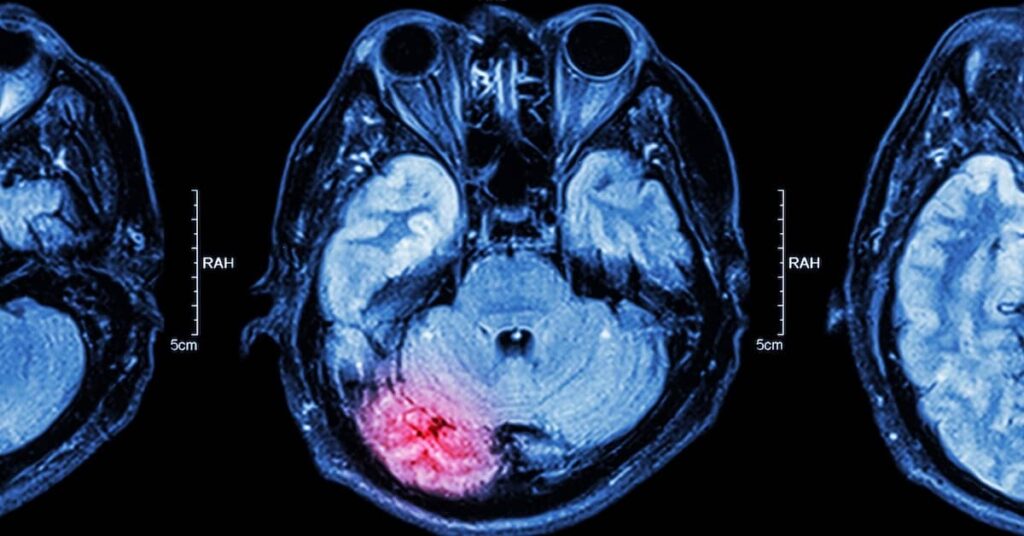
Post-concussion syndrome is a complex disorder in which various symptoms, such as headaches and dizziness, last for weeks or potentially months after the initial injury. Symptoms typically become apparent within the first week or two for most people. In most cases, symptoms fade within the first few months, but have the potential to linger for a year or more.
The most common post-concussion syndrome symptoms include:
- Headaches
- Dizziness
- Fatigue
- Irritability
- Anxiety
- Insomnia
- Loss of concentration and memory
- Noise and light sensitivity
Post-concussion headaches can vary and may feel like either a tension-type headache or a migraine. These could also be related to a neck injury that happened at the same time as the head injury.
Seizures & Traumatic Brain Injury
Brain injuries often lead to seizures. A seizure occurs because of abnormal electrical activity in the brain. It can take the form of strange body movements, such as stiffening or shaking, unresponsiveness, staring, chewing, lip smacking, or fumbling movements. Other indicators are strange smells, sounds, feelings, tastes, or visual images, and sudden weariness or dizziness.
Seizures are common after a TBI, happening to as many as 10% of victims who required hospitalization for a head injury. Most seizures will occur within the first several days or weeks, but some may take months or years to emerge. Certain factors that can contribute to the likelihood of seizures are:
- High fevers
- Lack of sleep/extreme fatigue
- Drug and alcohol use
- Any other chemical changes in the body
Additionally, different brain injury types are more likely to lead to seizures than others. For example, nearly two-thirds of brain injuries caused by bullet wounds lead to seizures. On the other end of the spectrum, only about 10% of people with closed head injuries suffer from seizures.
Medication may be effective in treating seizures for approximately 70% of victims, allowing them to return to most activities. However, seizures can create lifelong safety issues, limiting employability and enjoyment of life. Many people with seizures can never drive or go swimming without supervision and remain at constant risk of further injury.
Burg Simpson’s Cincinnati brain injury lawyers can help you and your loved ones if you have suffered due to the negligence of another. Our team collaborates with your doctors and medical experts to assess the impact of seizures and other complications from a TBI.
Traumatic Brain Injury & Personality or Behavior Changes
TBIs can lead to a number of behavioral or emotional changes. Depression, outbursts of unprovoked anger, a loss of inhibitions, or uncontrollable impulses to cry may occur after traumatic brain injuries, potentially resulting in frightening episodes for victims and their loved ones.
In severe cases, changes in behavior and personality can lead to dangerous consequences such as violent criminal acts, self-harm, and even suicide. Often, symptoms will not start to appear until long after the initial injury. Whether they happen at all depends on where in the brain the injury occurred.
For example, someone with damage to the frontal lobe (which governs personality and impulse control) may suffer from uncontrollable outbursts even after recovery. Or they may emerge from recovery with what experts call a “flat affect,” which is a muted or emotionless demeanor.
Specific behaviors that may emerge as a result of a TBI include:
- Verbal and/or physical outbursts
- Poor judgment and disinhibition
- Impulsive behavior
- Negativity
- Intolerance
- Apathy
- Egocentricity
- Rigidity and inflexibility
- Risky behavior
- Lack of empathy
- Lack of motivation or initiative
- Depression and/or anxiety
Personality and behavioral changes can make it difficult to work or live on your own. Qualified brain injury attorneys at Burg Simpson can account for these difficulties and pursue damages on your behalf.
Compensation for Ohio Brain Injury Victims
Traumatic brain injuries are often the result of the negligence or recklessness of others. TBI victims may be entitled to compensation from the responsible parties or their insurance companies for the following:
- Economic losses, including past and future medical and rehabilitation expenses, lost income, loss of earning capacity, and out-of-pocket costs
- Non-economic losses, including pain and suffering, loss of enjoyment of life, mental and emotional distress, and inconvenience
- Permanent impairment and/or disfigurement
- Loss of consortium by an affected spouse
Obtaining compensation for a brain injury can be challenging. Insurance companies are often skeptical of traumatic brain injury claims and do not put a high value on them, despite the radical changes in the lives of victims and their families.
Part of the reason is that closed head TBIs are difficult to “see” and prove because of the lack of visible, objective physical injuries that can be shown in court. Brain imaging (such as CT scans, MRIs, PET scans, and SPECT scans) can be useful for diagnosing and proving brain injury claims. Neuropsychological testing may be necessary or recommended for identifying cognitive difficulties and deficits.
Experienced brain injury lawyers use expert testimony, evidence, and legal strategies to try to obtain the compensation TBI victims deserve. As skilled trial lawyers, Burg Simpson has decades of experience preparing cases for court and recovering maximum compensation at trial.
What Should You Do If You or a Loved One Suffered a Traumatic Brain Injury?
The most important thing you can do is take care of yourself or your loved one and obtain the necessary medical treatment. If you or a family member sustained a traumatic brain injury because of someone else, it is critical that you immediately contact a Cincinnati brain injury lawyer experienced in handling concussions, closed head injuries, and other traumatic brain injury cases.
We know that you are in the midst of a confusing and emotional time. Unfortunately, time may already be running out to file a claim. You need someone on your side to make sure your rights are protected.
Because brain injuries are not always immediately apparent and effects may take days, weeks, or even months to emerge, it is crucial to keep and maintain meticulous medical records if you suspect a brain injury. It is also highly recommended that you contact a Cincinnati personal injury attorney because navigating the paperwork and requirements for determining damages and compensation for brain injuries is complex, especially if you are still recovering.
Contact Burg Simpson Now
Burg Simpson is dedicated to helping injured people with traumatic brain injuries seek compensation. Our experienced Cincinnati brain injury lawyers have helped many people suffering from severe injuries (including traumatic brain injuries) rebuild their lives.
Our attorneys have the experience and resources to help injury victims navigate the many legal complexities that surround brain injuries, including accident and medical investigation, insurance claims, settlement negotiations, and litigation against those who will not take responsibility.
Call 513-852-5600 or reach out to us online to get started with your claim today. Your initial case evaluation is FREE, and you pay nothing unless the case is resolved in your favor. Burg Simpson serves clients in Ohio and nationwide from our office in Cincinnati.